AC Schnitzer Isn't Dying From Tariffs. It's Dying From $7,000 ECU Tunes.
When AC Schnitzer announced they were shutting down after 39 years, their managing director gave a very clean list of causes. Regulatory delays. US tariffs. Material costs. Exchange rates. Supplier failures. A generational gap. External headwinds, all of them outside their control.
I don’t buy most of it.
I run a company in the automotive performance space. The aftermarket isn’t dying — it grows 4 to 4.5% a year on good years, closer to 2% on a slow year like last year. Most brands operating in this space aren’t shutting down.
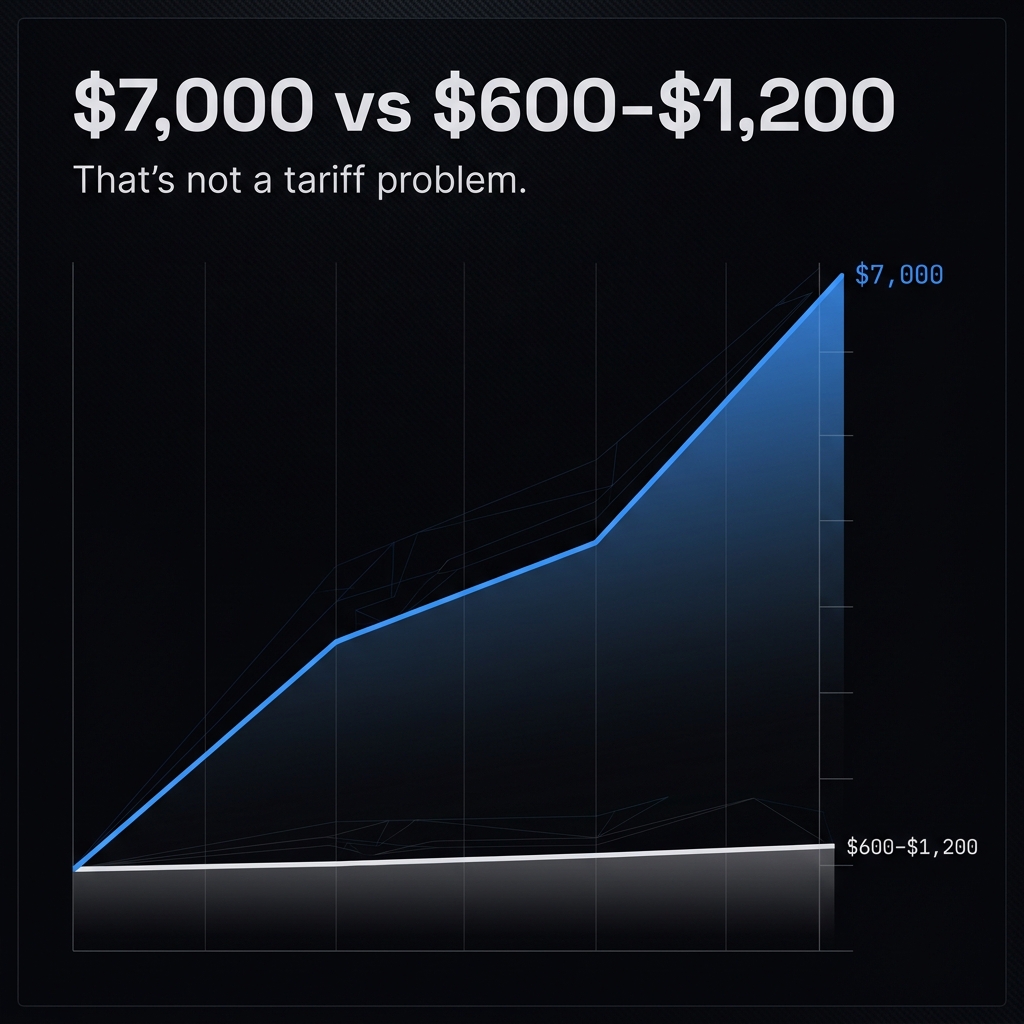
Go to ACSchnitzer.com right now and look up what they charge for an ECU upgrade. Seven thousand dollars.
In the BMW space, an MHD tune plus a custom calibration runs $600 to $1,200. That’s not a tariff problem. That’s not an exchange rate problem. That’s a pricing model that drifted so far from market reality that the brand was already functionally dead before anyone wrote a press release.
Here’s what I think actually happened: volume compressed over the years — for a lot of the reasons any heritage brand loses relevance — and prices went up to cover overhead. Then higher prices compressed volume further. Then prices went up again. At some point you’re charging $7,000 for a software calibration and wondering why nobody’s buying, and the answer isn’t regulatory headwinds. The answer is you’re 10x the market rate and your product hasn’t been interesting in twenty years.
On the generational gap, they’re right — but I’d frame it differently than they do. I had a set of AC Schnitzer wheels when I was a kid. I read European Car in the 90s. The brand was in every issue. It meant something. But it stopped meaning something a long time ago — not because young buyers changed, but because AC Schnitzer stopped doing anything interesting. Blaming the audience lets you off the hook. The real problem is they stopped earning relevance and then were surprised when it expired.
I was talking to my team recently about staying scared and staying hungry — about what happens when a company stops treating its younger competitors as a threat worth respecting. This is that story. Nobody stayed scared or hungry, and by the time the market made that obvious, the only option left was a $7,000 tune and a graceful exit.